
Central India
Madhya Pradesh
Hinduism
Bhojpur Temple (Bhojeshwar Temple), Madhya Pradesh
Forest Sanctuaries
Architectural Marvel, Historic Legacy
A giant left in time, the Bhojpur Temple is an eleventh-century monolithic marvel standing amidst the teak forests of Madhya Pradesh—an unfinished "Somnath of the East" that defies architectural scale.
THE ESSENCE
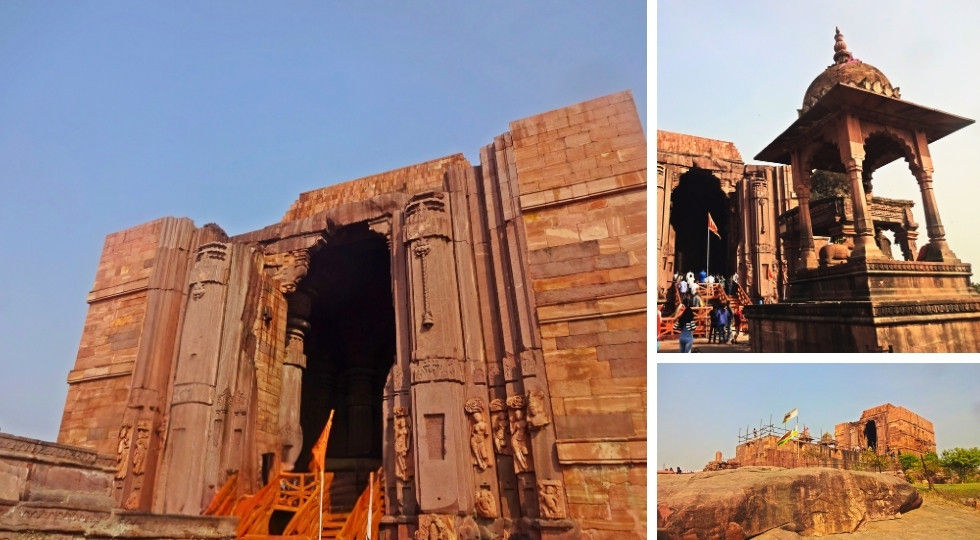
Bhojpur doesn’t feel like a “temple town” in the usual sense. There are no grand bazaars or long queues — just a quiet approach through the countryside, a gentle climb, and then the sudden presence of an immense stone shrine set against open sky. The Bhojeshwar Temple, dedicated to Lord Shiva, is believed to have been commissioned during the reign of Raja Bhoja of the Paramara dynasty in the 11th century.
The temple’s most arresting feature is the massive Shiva lingam housed inside — among the largest in India. It rises from a high platform, commanding the sanctum with a simplicity that feels deliberate. There is very little ornamentation compared to the richly carved temples of Khajuraho or the south — here, scale and proportion do the storytelling.
What makes Bhojpur especially compelling is what it doesn’t contain. The temple is widely believed to be unfinished, with architectural elements that suggest construction was halted abruptly. Nearby, large stone blocks and partially worked pillars lie scattered, and the surrounding area has long been associated with ancient quarrying and temple-building activity. For the visitor, this creates an unusual experience: the temple feels complete in devotion, yet incomplete in architecture — a rare combination.
Despite the unfinished narrative, Bhojpur remains very much alive as a place of worship. On quiet mornings, the shrine feels almost austere — a space where the stone, the wind, and the steady rhythm of prayer all feel in balance.
THE CURIO
The Stone Blueprints: On the surrounding rocks, you can still see the original architectural plans and line drawings engraved into the stone by the medieval masons.
The Earthen Ramp: Behind the temple lies a massive, ancient earthen ramp used to haul the multi-ton stone blocks to the top of the structure—a rare surviving example of medieval engineering.
The Single Stone: The central sanctum houses one of the largest Shiva lingams in the world, approximately 7.5 feet in height and over 17 feet in circumference, carved from a single, massive block of shimmering sandstone.
ANCIENT ROOTS
The temple was commissioned by the legendary Paramara King Raja Bhoj (c. 1010–1055 CE), a polymath known for his treatises on architecture, poetry, and science. Historically, the site represents the zenith of Paramara engineering. The reason for its sudden abandonment remains one of India's great archaeological mysteries—theories range from sudden natural disasters to a shift in the king's military fortunes. Because it was never finished, it provides a unique "frozen" look at the Maru-Gurjara architectural style before it was fully evolved, making it an invaluable archive for historians.
THE JOURNEY THERE
Nearest Airport:
Raja Bhoj Airport (Bhopal) – approx. 30 km
Nearest Railway Station:
Bhopal Junction – approx. 28 km
Nearest Town/City:
Bhopal – approx. 28–30 km
Local Transport:
Bhojpur is best accessed by private taxi or personal vehicle from Bhopal. The approach road is straightforward, and the temple can be covered comfortably as a half-day trip.
SACRED RHYTHMS
Mahashivaratri – February–March
The temple sees the highest footfall of the year, with special prayers and extended worship.Shravan Month – July–August
Devotees visit in larger numbers to offer water and prayers to Shiva.
REST & RETREAT
Stay in Bhopal, which offers excellent heritage hotels overlooking the Upper Lake. For a quieter stay, there are eco-lodges near the Ratapani Wildlife Sanctuary nearby.
PRACTICAL TIPS
Timing: 6:00 AM – 6:00 PM. Sunset is particularly beautiful here as the light hits the yellow sandstone. Early mornings are best for quieter darshan.
Footwear: You will need to climb a few steep stone steps, so wear comfortable walking shoes. Footwear must be removed before entering the sanctum.
Modest attire is recommended
Carry water during warmer months, as the hilltop can get hot and exposed.
THE NEIGHBOURHOOD
Combine this with a visit to the Bhimbetka Rock Shelters (UNESCO), located just 25km away. This allows visitors to see the entire span of human devotion, from prehistoric cave paintings to the monumental stone-craft of the Paramaras.